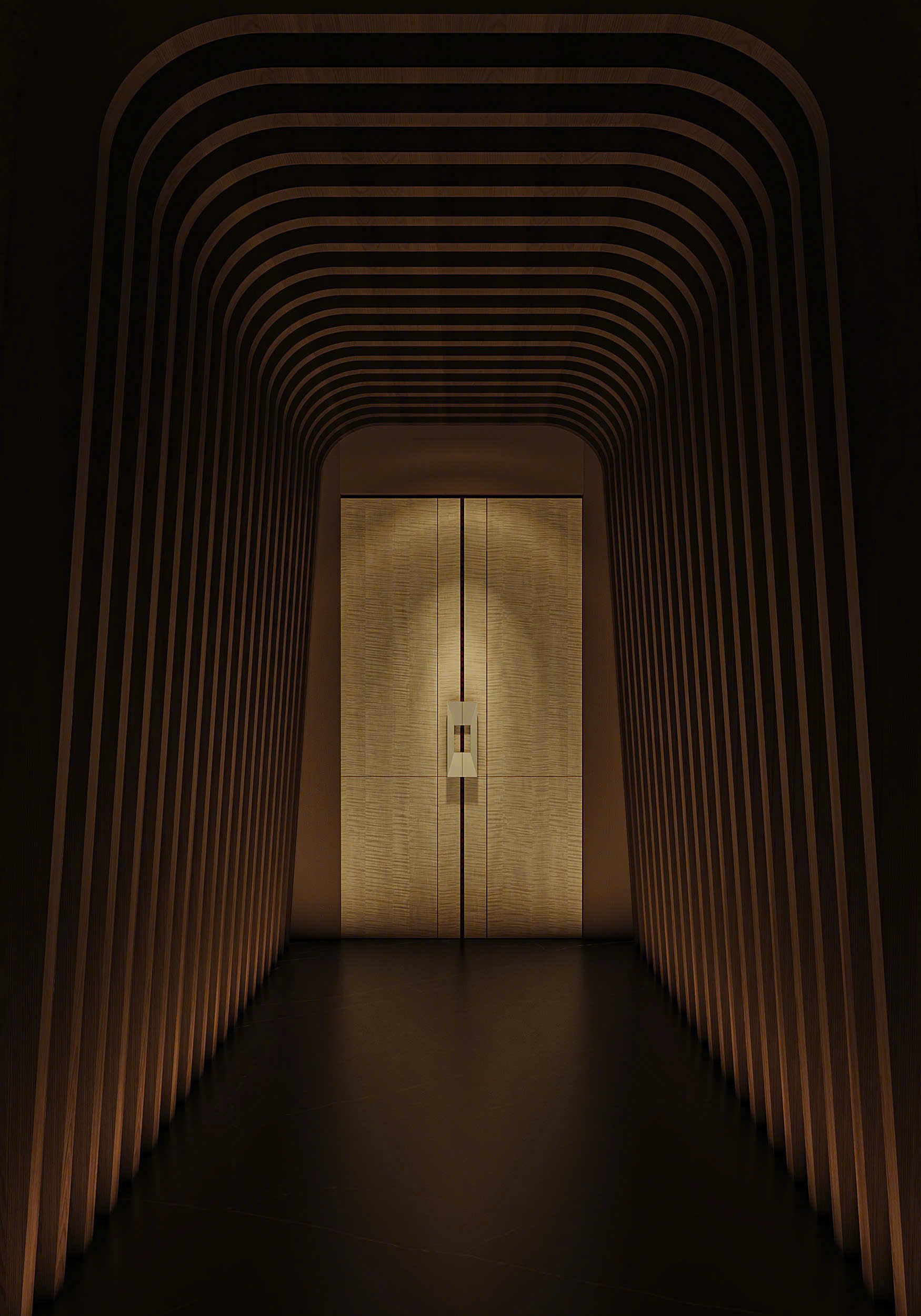
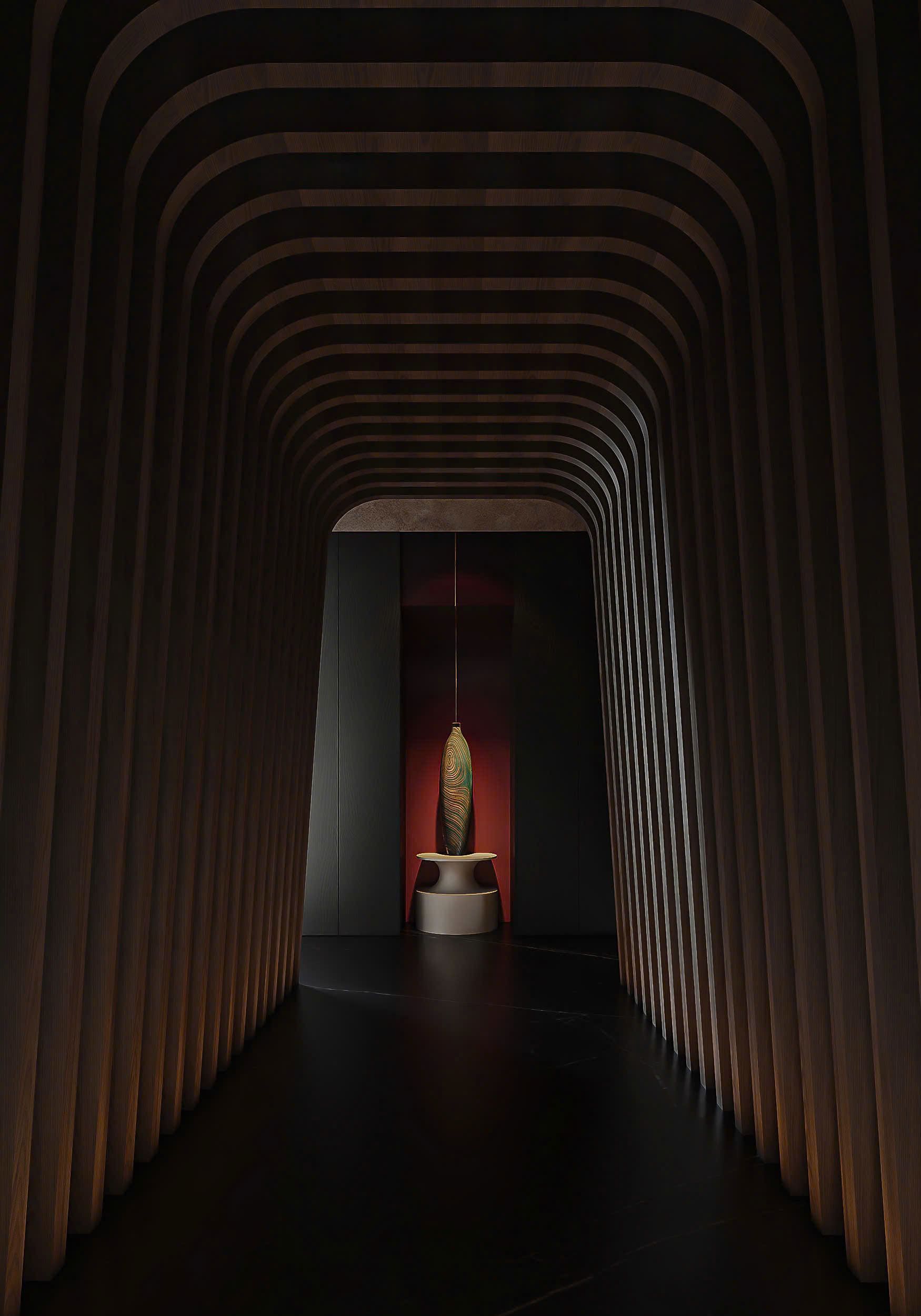
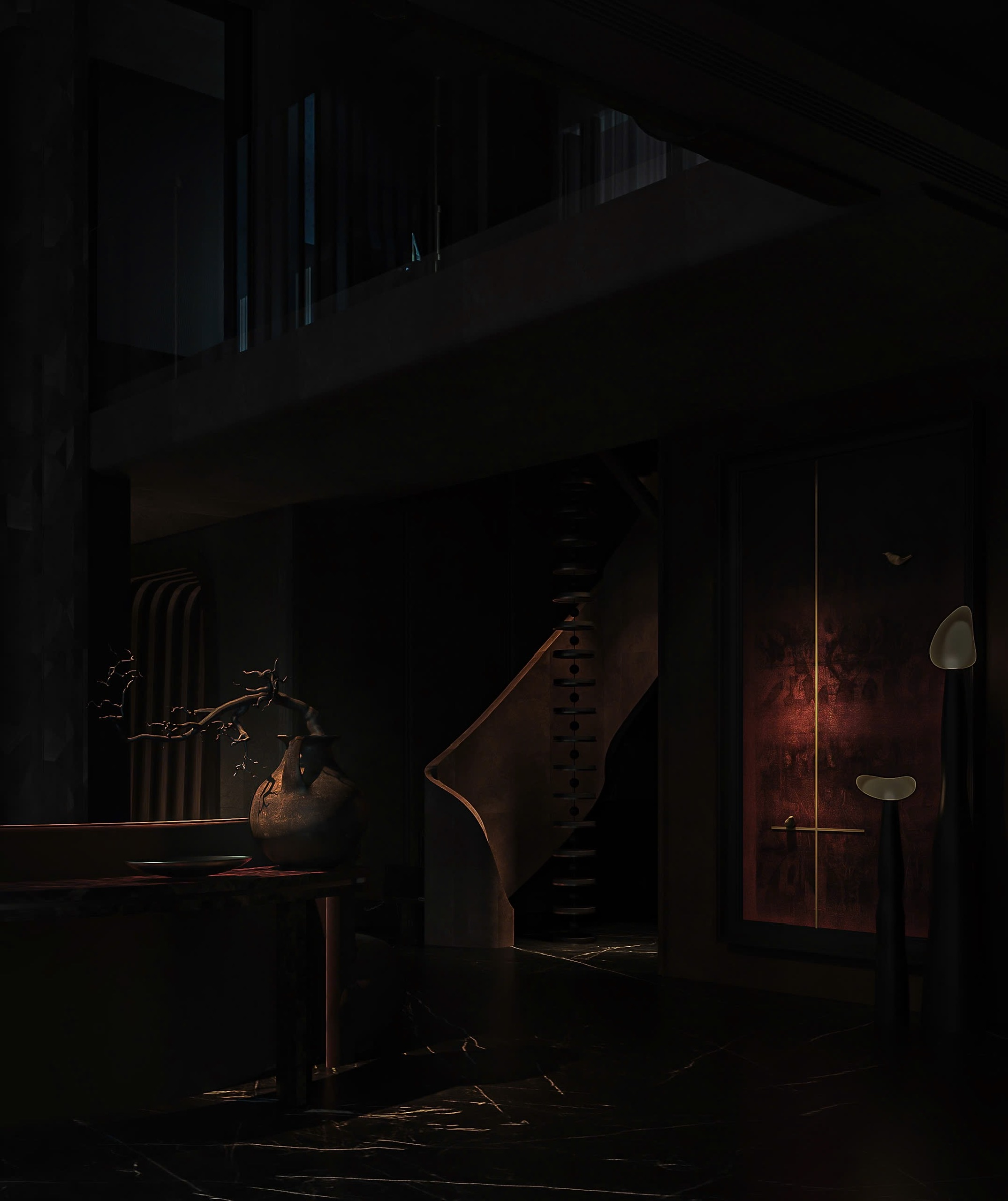
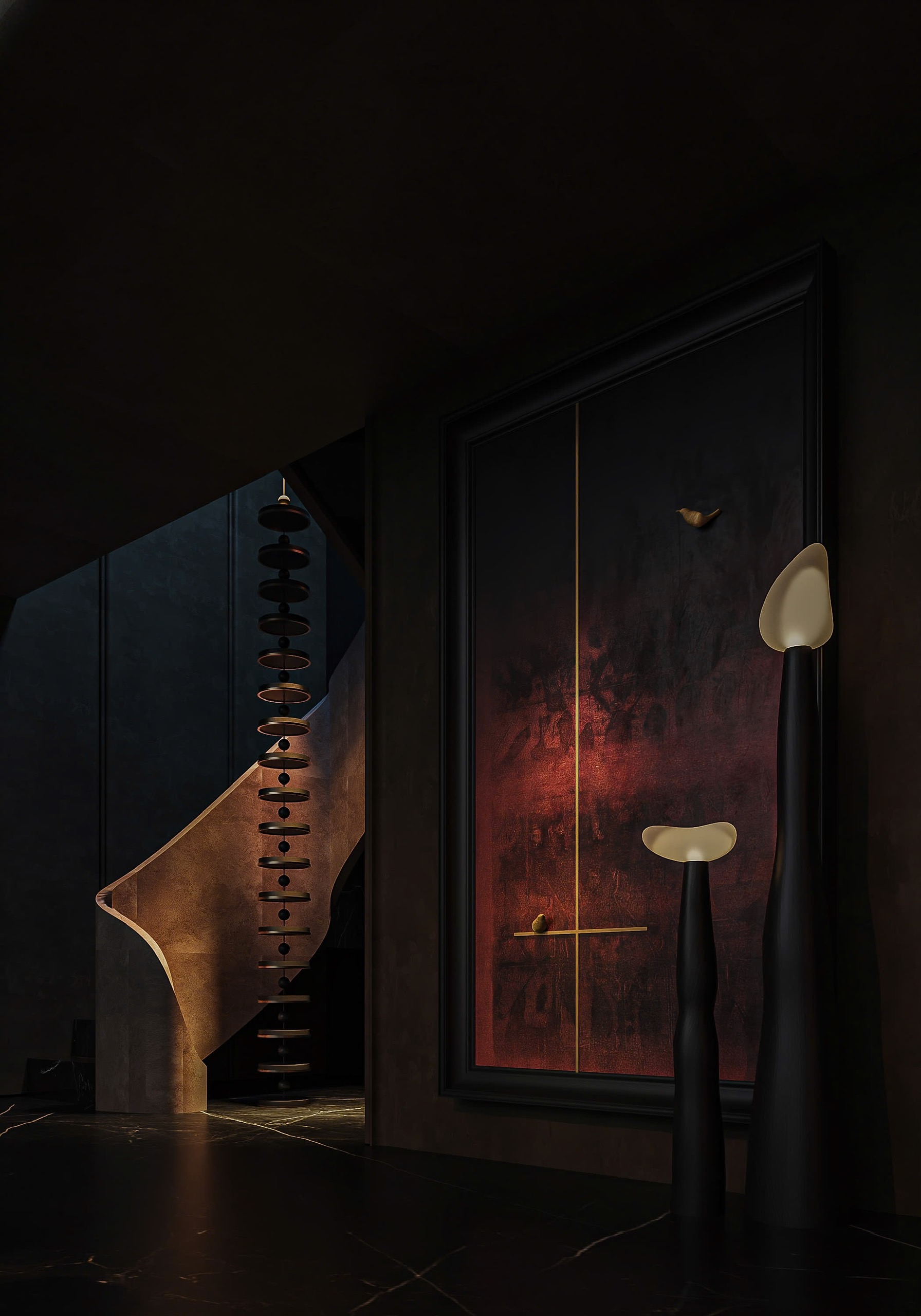
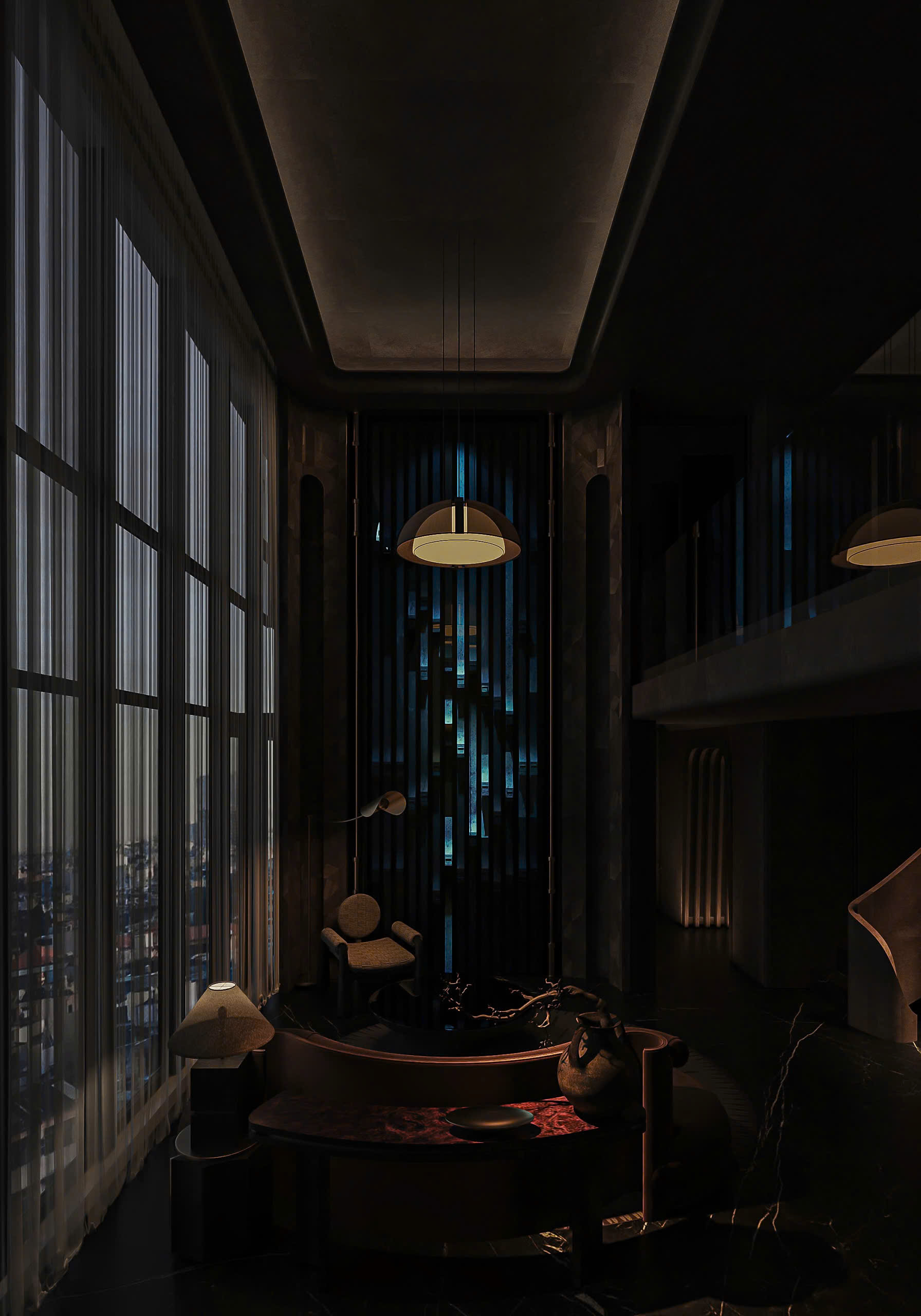
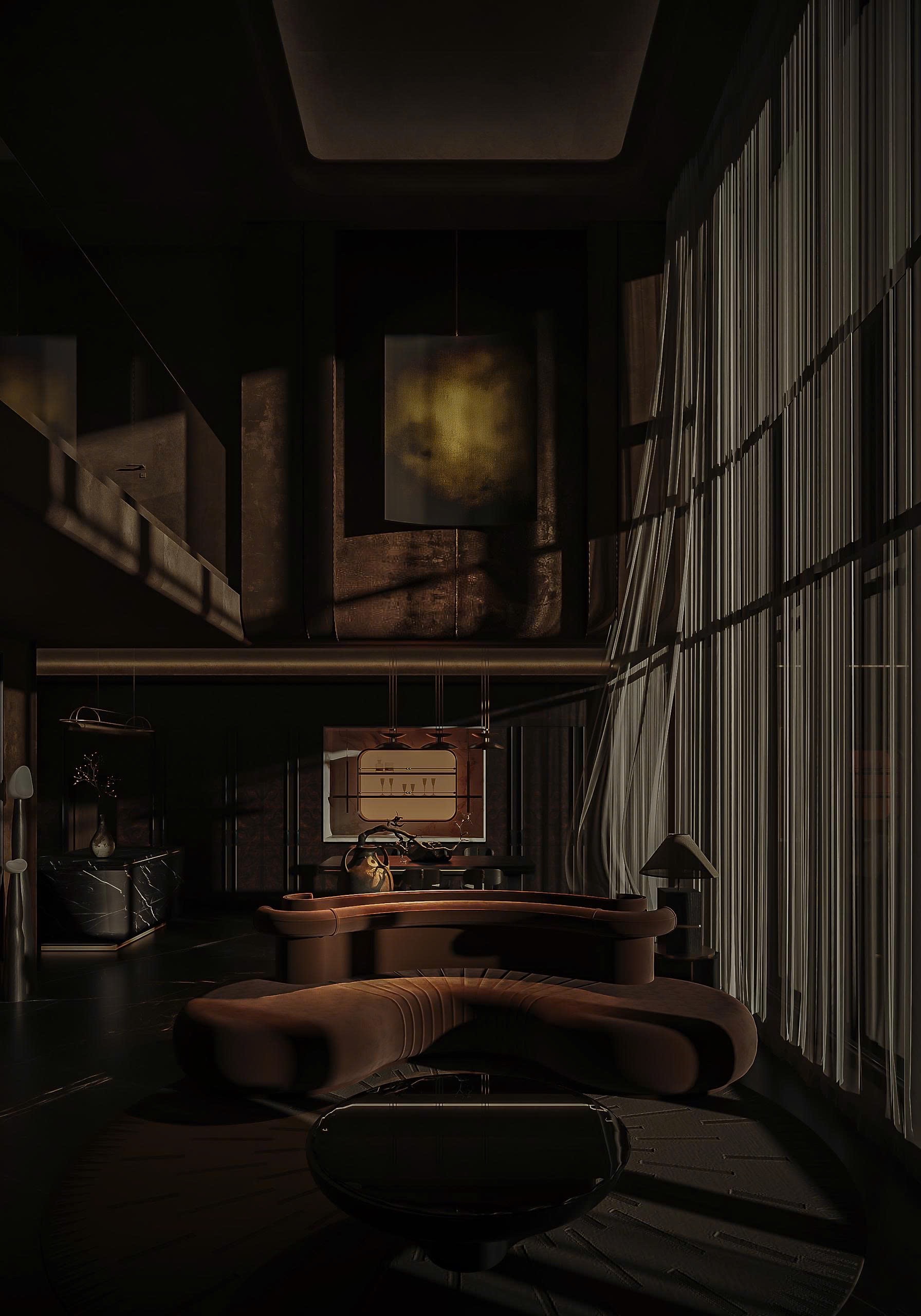
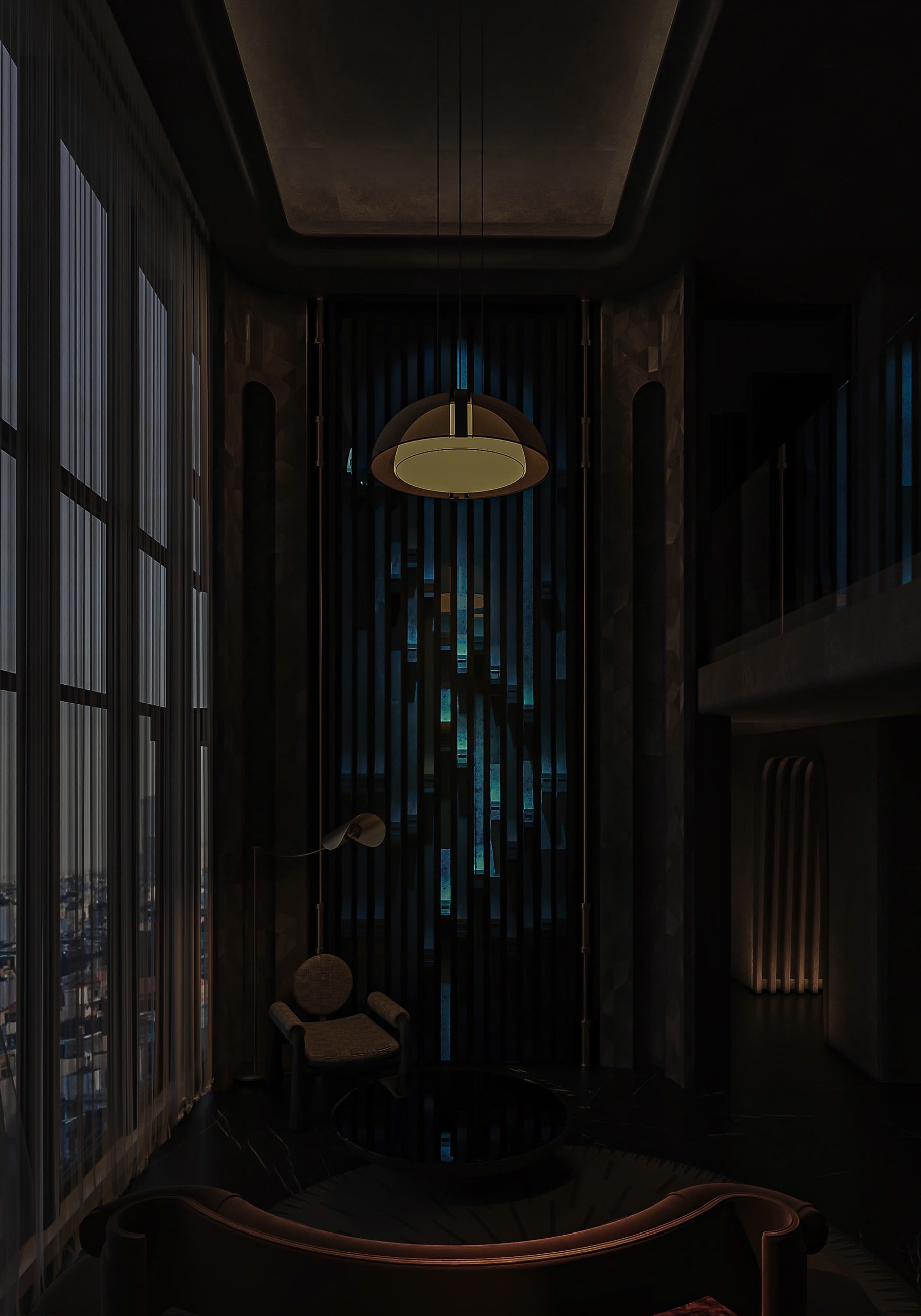
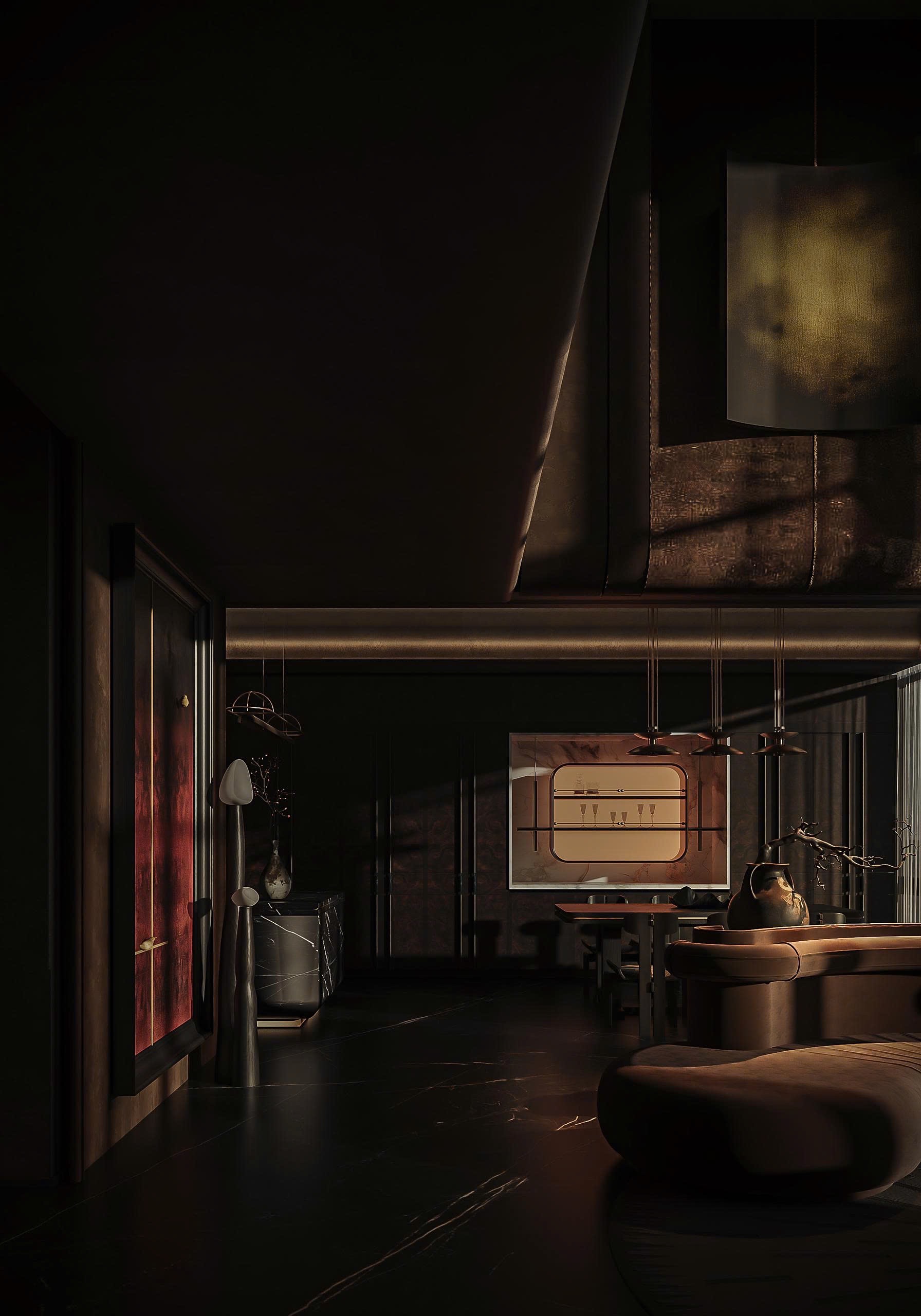
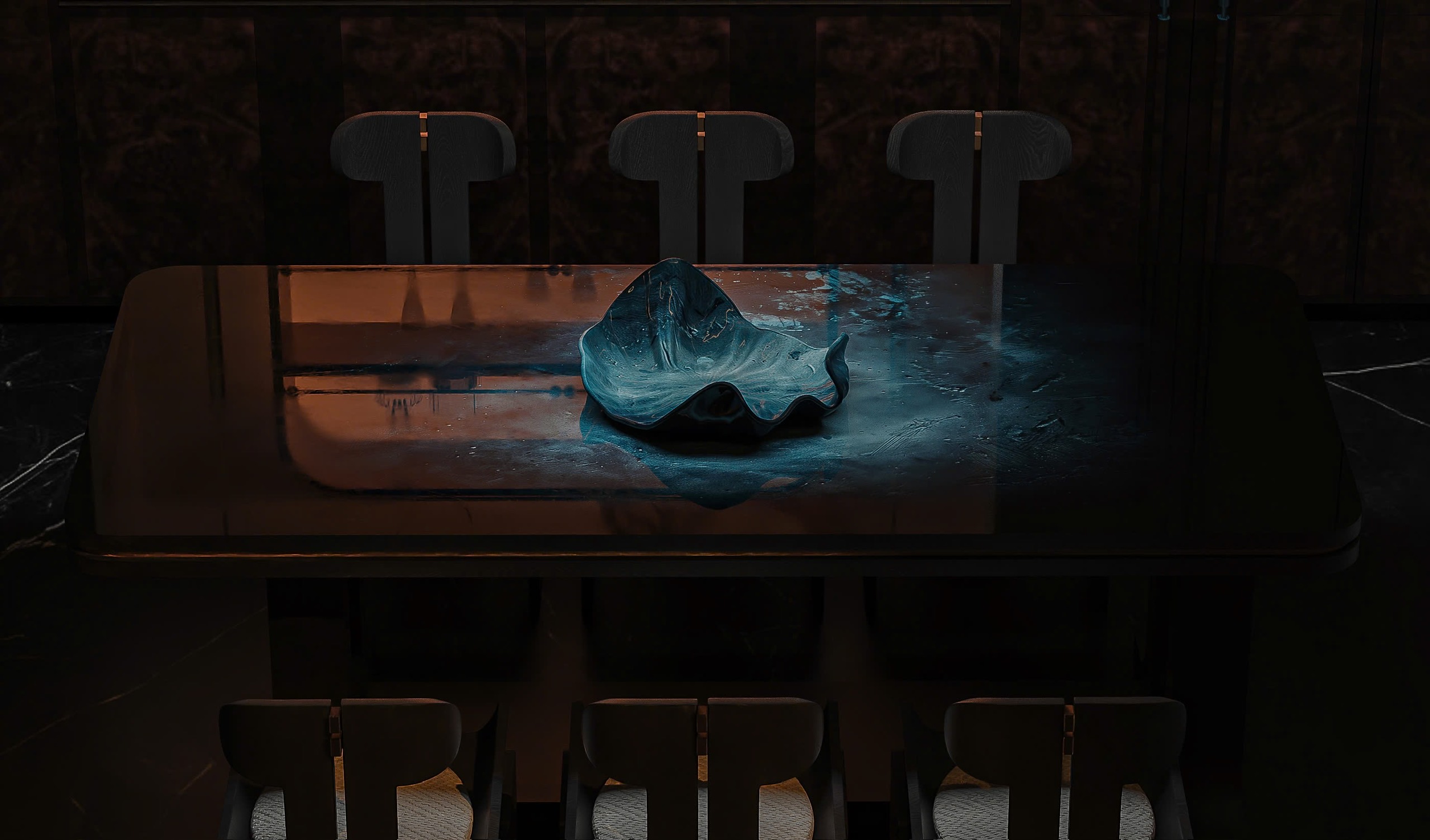
Every home performs for its guests. Saigon Nocturne begins after they leave — the hour a space stops arranging itself to be seen, and simply is.
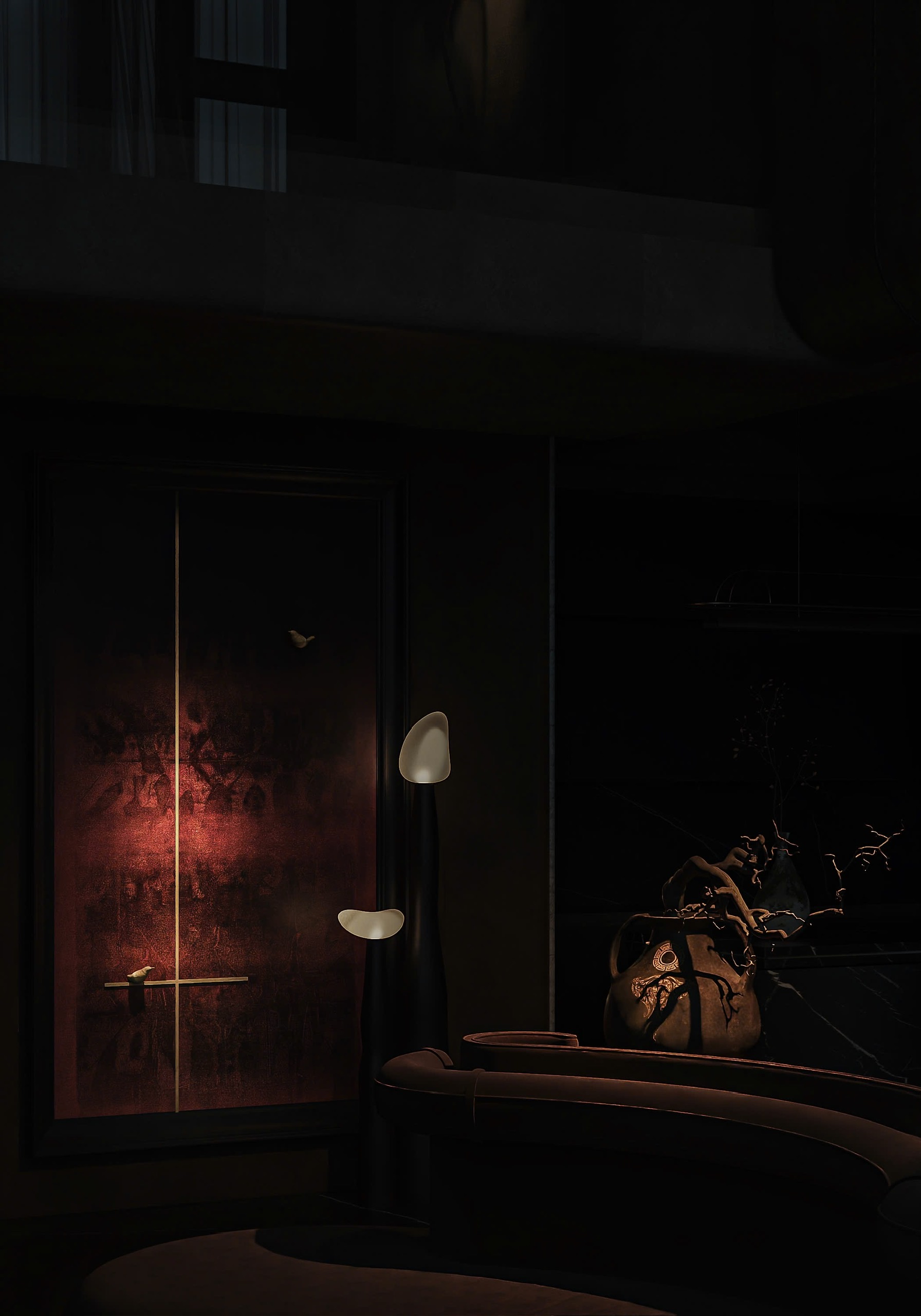
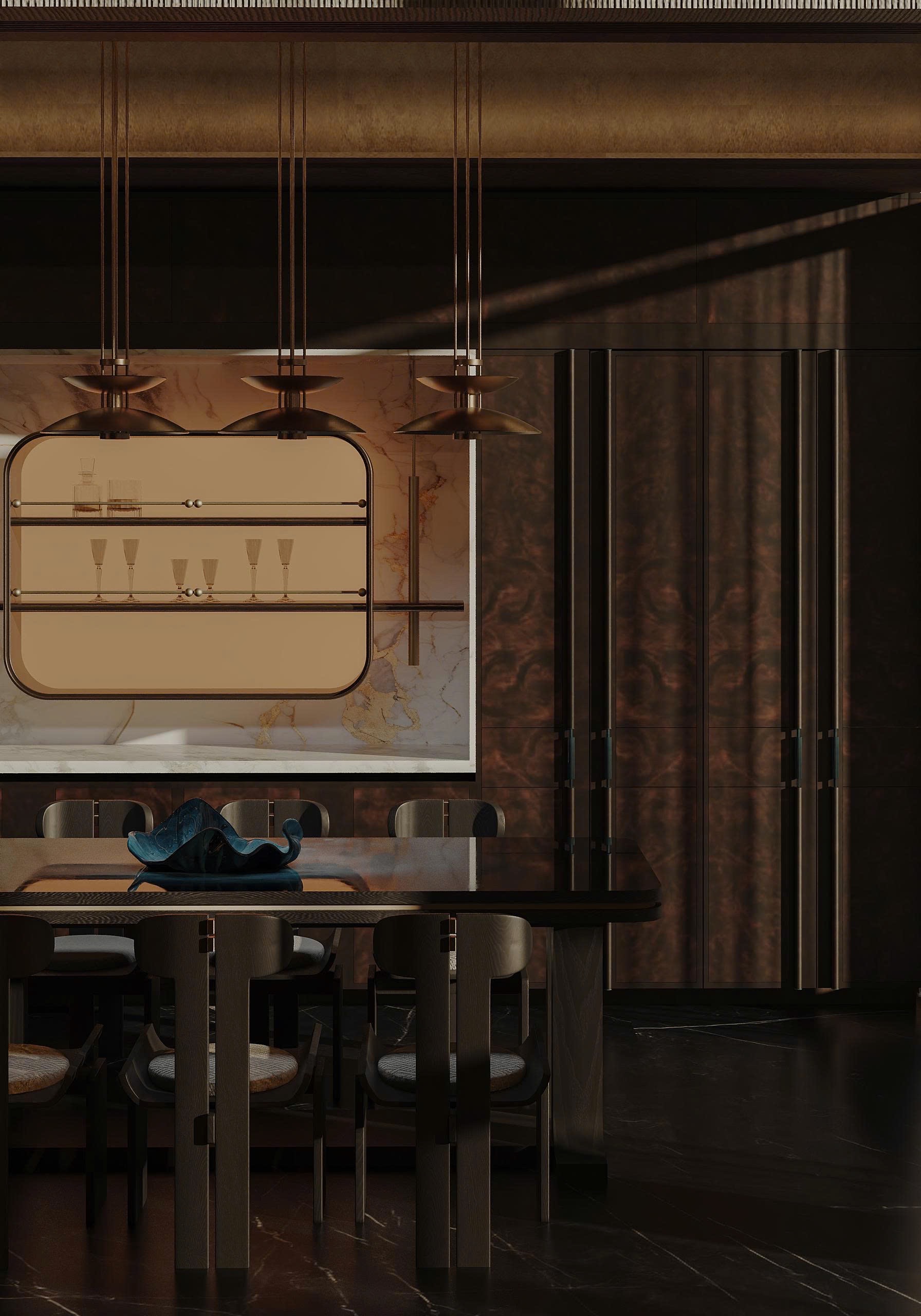
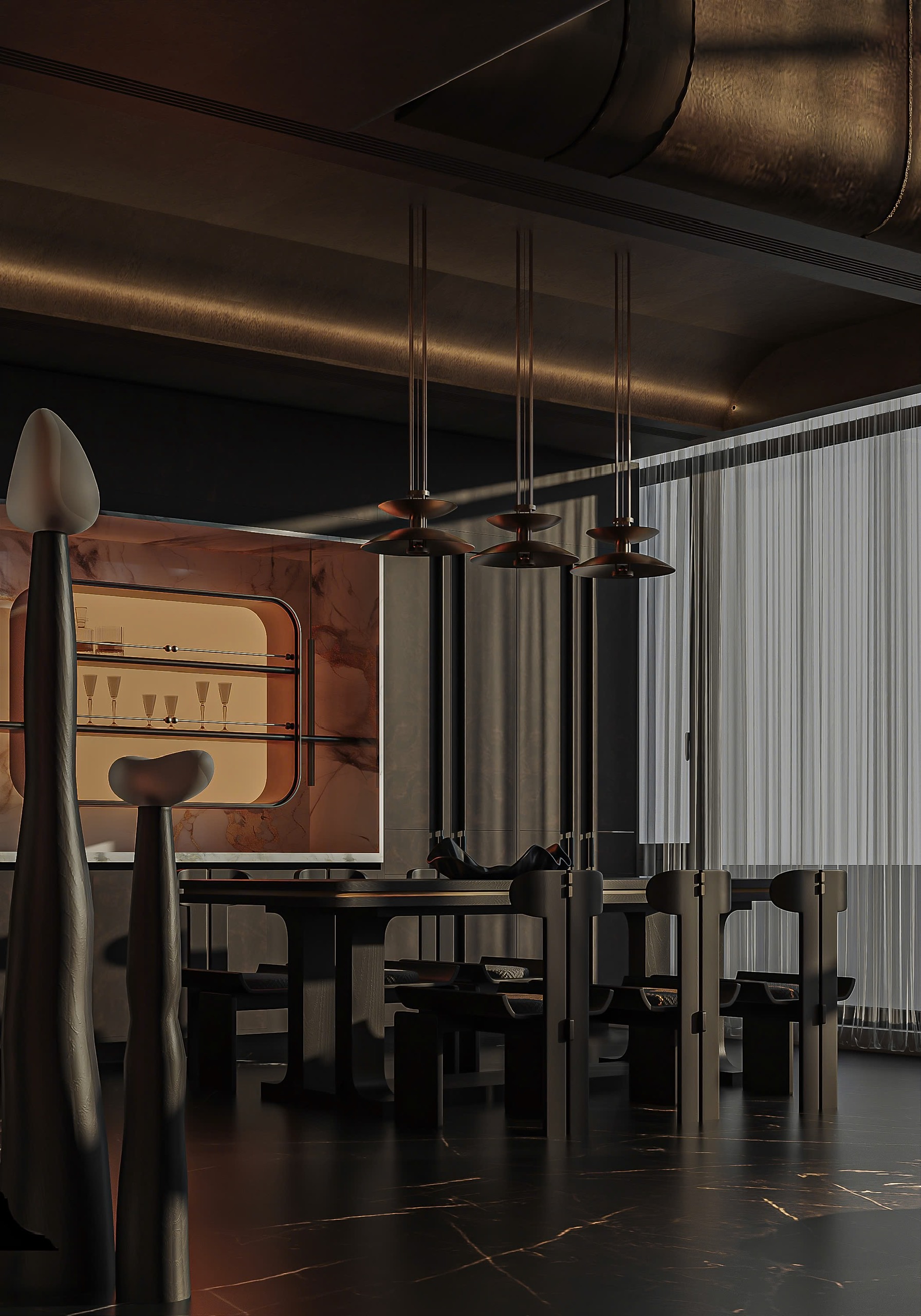
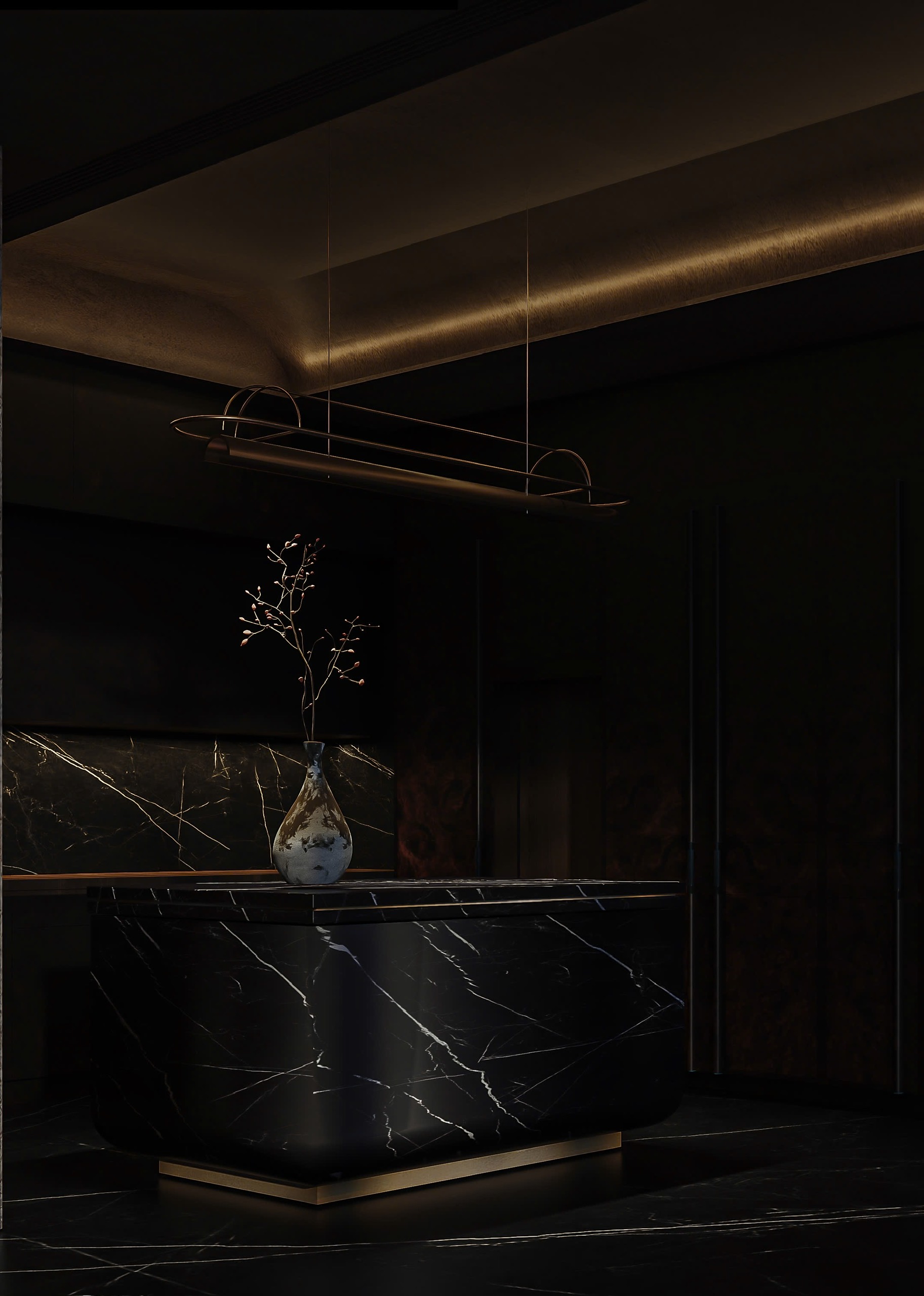
Its material voice returns to Gốm Cây Mai — ceramics once fired in kilns whose ground the city has since built over — set against black marble worn to a quiet sheen. Nothing here decorates. Each surface is evidence of fire, of hand, of time — not ornament.
Lit by shadow more than by light — a narrow beam, no grid, no flatness — the room keeps the temperament of an Opera house after the last curtain, a Metropole corridor once the guests have gone up to bed.
Saigon Nocturne does not fill a home. It asks the only question that matters once the lights are lowered: who are you, when no one is watching?